Your #1 Car Key Accessory Store!
Counterfeit key fob covers and remote starter imitations are increasingly common on online marketplaces. These fake accessories can look convincing while risking damage to electronics, voiding warranties, and creating safety or insurance complications for vehicle owners in the United States, including Maryland.
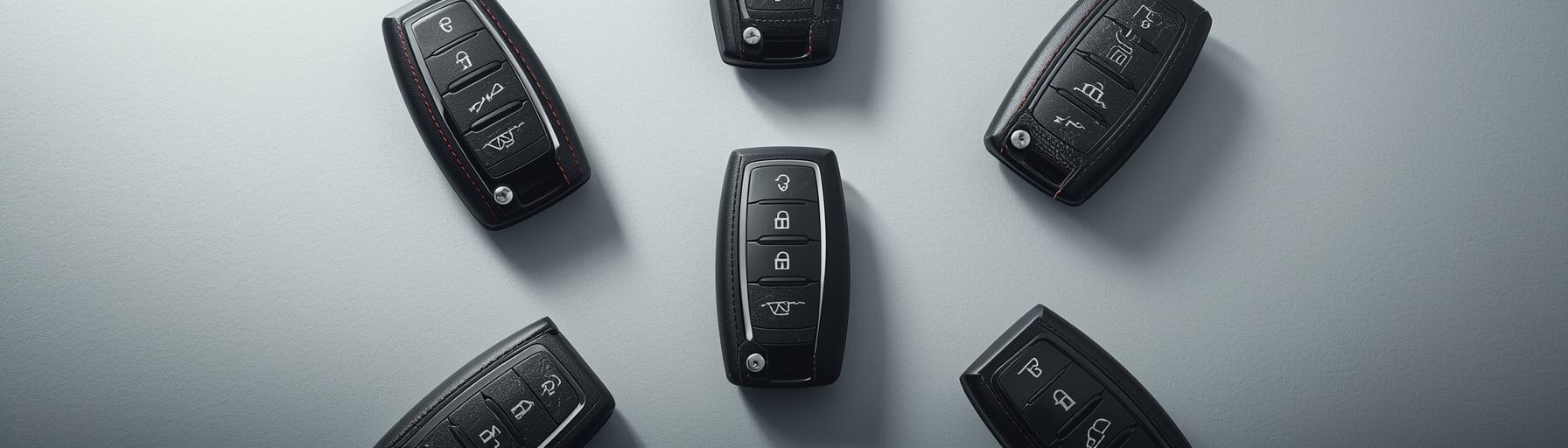
Counterfeits range from cheap silicone slips to imitation leather shells that attempt to mimic branded protection. Low-grade materials can trap moisture, abrade buttons, or interfere with signal transmission on proximity remotes. Poorly designed cutouts or internal seams may press against internal components, leading to worn contacts or intermittent responses that create remote reliability issues and unexpected lock or start failures. Beyond immediate hardware risk, use of counterfeit accessories can affect warranty claims from automakers and aftermarket remote starter providers and can be cited by insurers during a dispute about a theft or malfunction.
The next comparison highlights key visual and functional differences commonly seen with fake versus authentic protective covers:
| Feature examined | Fake silicone or imitation leather | Genuine KeyProtek-style covers |
|---|---|---|
| Material feel | Thin, plasticky, often glossy; odor of chemicals | Dense, matte finish for silicone; tight grain and natural texture for leather |
| Cut and fit | Excess material, misaligned cutouts, sagging seams | Precise cutouts; snug slide-on fit tested for specific remotes |
| Stitching and edges | Uneven stitching, exposed glue, frayed edges | Clean stitching, sealed edges, reinforced stress points |
| Logo and marking | Blurry logos, missing trademark details, low-res printing | Crisp embossed logo, model numbers, origin mark (Made in USA when applicable) |
| Packaging | Generic bags, no branded card or warranty insert | Branded packaging, SKU, care instructions, small warranty card |
| Price and availability | Deep discounts, bulk availability, inconsistent sizing | Reasonable MSRP, clear compatibility lists, limited oversupply |
| Performance impact | Possible signal attenuation or button interference | Designed to preserve range and button feel; tested compatibility |
| Warranty and support | No contact info, no returns, vague seller | Manufacturer support, returns, documented warranty terms |
Visual cues in listings are strong early indicators. Low-resolution photos, missing close-ups of stitching or inside lining, and stock images that mismatch the labeled model signal caution. Vague product descriptions that omit materials, model compatibility, or warranty details are common with bad actors. Overly generic titles that promise every make and model for a fraction of normal retail price should trigger skepticism.
Seller credibility can be assessed with specific checks:
Before purchasing, request direct confirmation on compatibility, material origin, and warranty. Ask the seller for close-up photos of logos, stitching, and the interior fit. When the product arrives, follow a careful inspection and record findings:
Document any defects with dated photos and retain packaging and receipts. These records strengthen claims to platforms, payment providers, and law enforcement.

If counterfeit suspicion arises, file a complaint with the marketplace and the payment provider immediately. Credit card chargebacks and PayPal buyer protection are primary remedies in the U.S. Also report infringing or fraudulent listings to the U.S. Federal Trade Commission and, if goods crossed borders, to U.S. Customs and Border Protection. Maryland consumers can contact the Maryland Attorney General’s Consumer Protection Division for additional support.
When replacement is needed, pursue authorized parts or certified aftermarket covers. Authorized retailers list SKUs, compatibility tables, and warranty terms. Manufacturers like KeyProtek provide support contact details and authenticity clues such as embossed trademarks and verified retail partners. Utilize reverse image search tools to detect copycat listings that reuse original product photography without authorization.
Adopt preventive habits: buy from reputable sellers, verify return and warranty terms, use secure payment methods, and keep photographic proof of the order and arrival condition. These practices reduce the chance of receiving harmful imitations and protect vehicle electronics, warranties, and personal safety when using remote starters and key fobs.


Sign up today and get 10% OFF your first order.
Our subscribers are the first to know about sales, new items, car key tips and more.

